Stray Cat vs. Regular Cat
When we think of cats, most of us first think of soft paws, purring, and a headstrong nature—regardless of whether it’s a luxury pedigree cat or a neighborhood tabby. However, many people wonder: what exactly distinguishes a purebred cat from a so-called “ordinary” cat? Is the difference only in appearance and price, or is there something more to it?
Origin and Genetics
Purebred Cat:
A purebred cat comes from a breeding line in which each generation has been carefully documented and bred to achieve a specific goal—such as a certain appearance, behavioral traits, or even a specific health profile. The parents of purebred dogs are deliberately selected, taking into account compatible genetics, breed-specific traits, and to avoid potential hereditary diseases.
Mixed-breed cat:
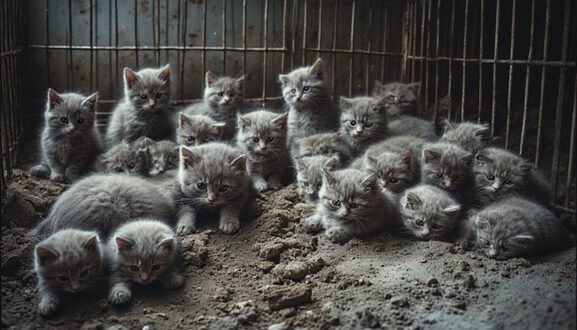
In the case of a mixed-breed cat, its parents, origin, and genetic background are unknown. Such a cat may be the result of a random mating, and its characteristics can vary widely—some may have a strong natural survival instinct, while others may have a hereditary condition that isn’t noticeable at first.
Summary:
The domestic cat has been bred by humans; the wildcat, on the other hand, is primarily the result of natural selection.
Breed Certificate and Registration
Purebred Cat:
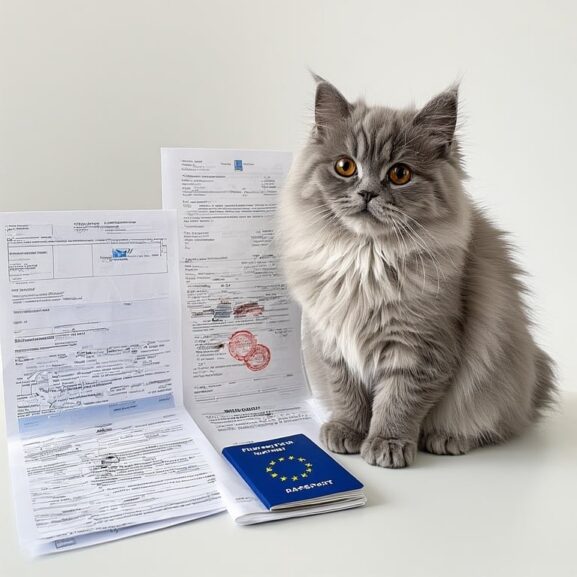
A purebred cat has an official pedigree certificate or a “breeder slip (TICA)” certifying its lineage, which is essentially the cat’s “birth certificate.” This is issued by the relevant cat organization (e.g., FIFe, TICA, CFA, WCF).
A regular cat:
A regular cat has no official documentation—neither a pedigree nor proof of breed. It may be quite unique in appearance and behavior, but this is not confirmed by any official organization.
Summary:
A pedigree certificate is like a cat’s passport—it is an official document that certifies that the cat belongs to a specific breed, has been bred in accordance with the current breed standard, and that its lineage is documented. Ordinary cats do not have such a certificate confirming their lineage.
Appearance and Personality
Breeds:
The appearance and temperament of different breeds are fairly predictable. For example:
• The Maine Coon is large, furry, and friendly.
• The Sphynx is hairless, very social, and loves warmth.
• The Ragdoll is calm, loves to be held, and gets along well with children.
Breeders focus on specific personality traits and physical characteristics.
Common cats:
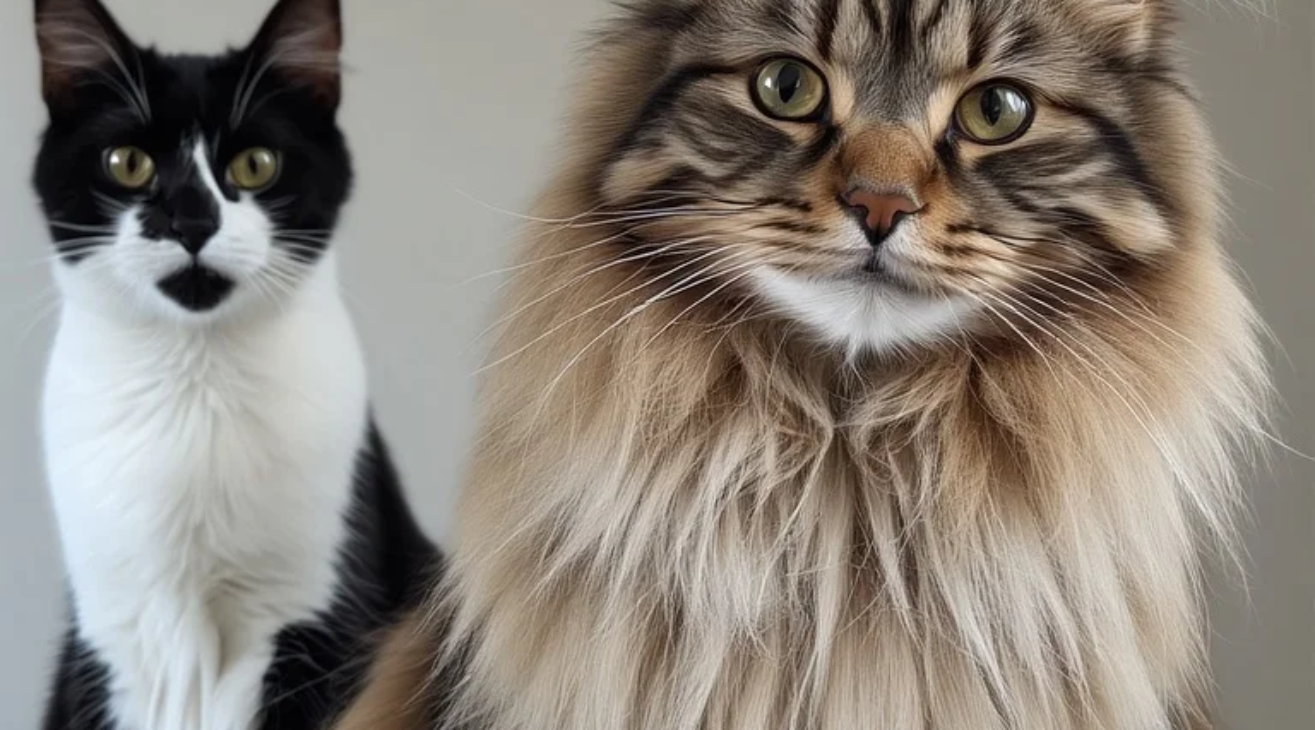
Their temperament and appearance can vary greatly. Some may grow up to be very sociable and calm, while others may be very independent and cautious. It’s impossible to know for sure what kind of cat you’ll end up with—it depends largely on the environment and genetics, about which we often know very little.
Summary:
The traits of a pedigreed cat can usually be predicted, while those of a regular cat become apparent over time.
Price
Breeding Cats:
The price of breeding cats can be very high—hundreds or even thousands of euros. This price reflects a number of expenses, such as:
• Genetic testing
• Health examinations
• Vaccinations
• Microchips
• High-quality food and care
• Participation in shows
Breeders invest a great deal in the cat’s well-being and the quality of the breeding program.
An ordinary cat:
An ordinary cat is often available for free or for a small fee. Although the cost of caring for it may be similar (food, healthcare, vaccinations), the initial cost of acquiring it is low.
Summary:
The price of a purebred cat reflects the significant investment in breeding; a regular cat is often a more affordable option.
Health and Traceability
Breed:
Breed-specific health is generally given more careful attention, especially by responsible breeders. Breeders conduct genetic testing and health screenings based on the hereditary diseases to which a particular breed may be predisposed.
For example:
• Maine Coons are often tested for genes associated with hypertrophic cardiomyopathy (HCM) and hip dysplasia.
• British Shorthairs and Siamese cats are tested for polycystic kidney disease (PKD).
• Sphynx cats are monitored for skin and heart problems.
The goal is to prevent the spread of disease and improve the health guarantees for kittens. At the same time, it should be noted that every breed carries certain risks—no cat is completely “disease-free,” but informed breeding helps reduce those risks.
The Average Cat:
Average domestic cats have not typically undergone any genetic testing or systematic health screenings. At the same time, thanks to natural selection, they may be genetically more diverse and therefore, in some ways, more resilient. However, their health can also be unpredictable—since their pedigree and genetic background are unknown, there may be hidden issues that only become apparent later on.
Summary:
For purebred cats, health screenings and genetic testing are performed in accordance with the breed’s specific characteristics and risks; however, the health history of a regular cat is often unknown.
Suitability for the family and compatibility with their lifestyle
Breed:
When choosing a cat by breed, you can often select one with a temperament that suits your family’s needs. For example, if you’re looking for a calm lap cat or an active, playful pet, you can take this into account when selecting a breed. This helps prevent a situation where the pet and owner aren’t a good match.
The Average Cat:
An average cat’s personality is largely shaped by its upbringing, environment, and individual temperament. You may not know its true personality until the cat is several months old. That said, a house cat can be very loyal and affectionate if given time and space.
Summary:
With a purebred cat, it’s easier to find one with a compatible personality; a mixed-breed cat may require more time to adjust and greater flexibility.
If you’re considering getting a cat and aren’t sure which to choose—a purebred or a mixed-breed cat—it’s worth asking yourself:
• What is your lifestyle like?
• Are price and pedigree important to you?
• Do you want a specific appearance or personality?
• Are you prepared for surprises and unpredictable developments?